



Newborn and childhood genomic screening

Selection of genetic conditions for multi-state genomic newborn screening in BEACONS-NBS
Note: The BEACONS-NBS study has been renamed BRIDGES-NBS.
medRxiv
In Press
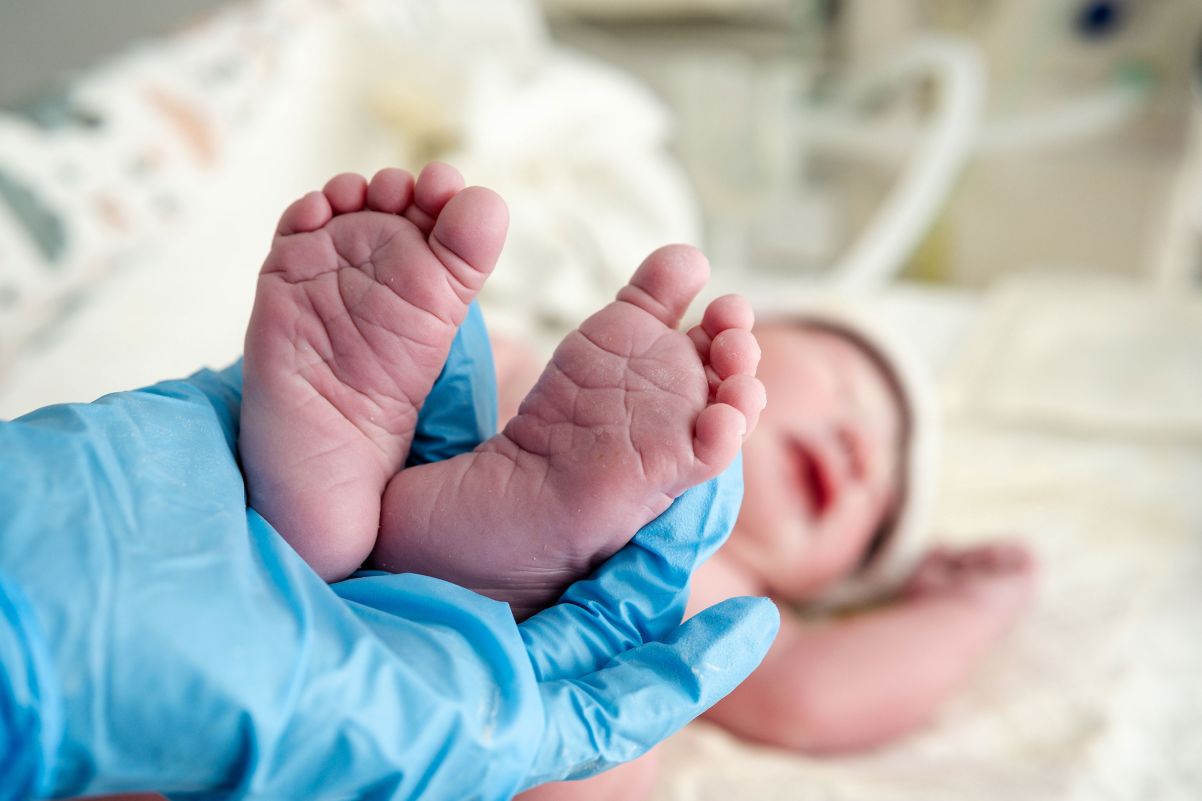
Would you test your newborn for a disease that might strike years later?
CNN |
September 2026
Press
Would you want to know if your newborn carried a risk of serious illness years before symptoms began? This CNN feature puts that question at the center of the newborn-genomics debate—showing both its potential to prevent illness and the difficult choices it may create for families.
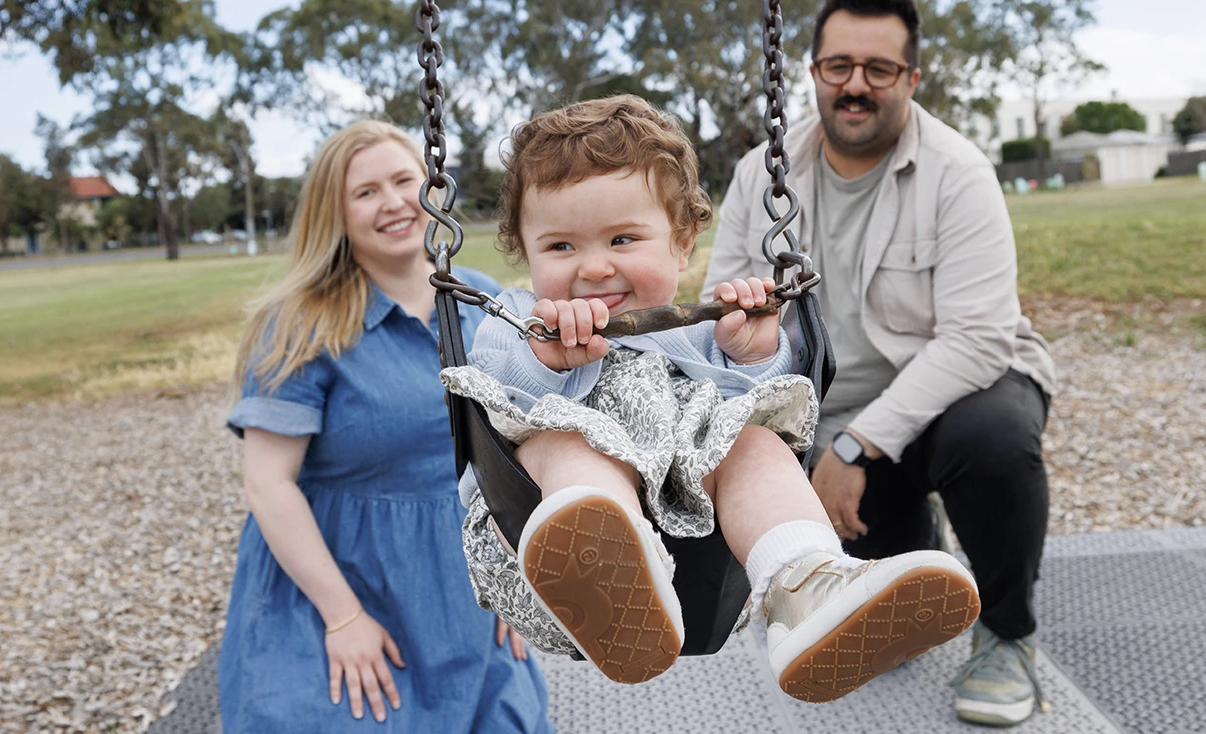
Screening babies’ genomes could save lives. Here’s how it would work
Nature |
August 2026
Press
This Nature feature explores the growing momentum behind genomic newborn screening, highlighting early evidence that sequencing can identify serious, treatable conditions that traditional newborn screening may miss. It examines major initiatives around the world—including BabySeq, GUARDIAN, BabyScreen+, the UK Generation Study, and BRIDGES-NBS—while considering key questions around scalability, cost, gene selection, interpretation, and the responsible … Continued
In Brief This Week: BRIDGES-NBS
Precision Medicine |
July 2026
Press
What’s in a name? For one of G2P’s newborn genomic screening studies, quite a bit — as Precision Medicine reports, the collaborative effort has rebranded as BRIDGES-NBS, a change designed to sharpen its identity and steer clear of confusion with unrelated products in the field.
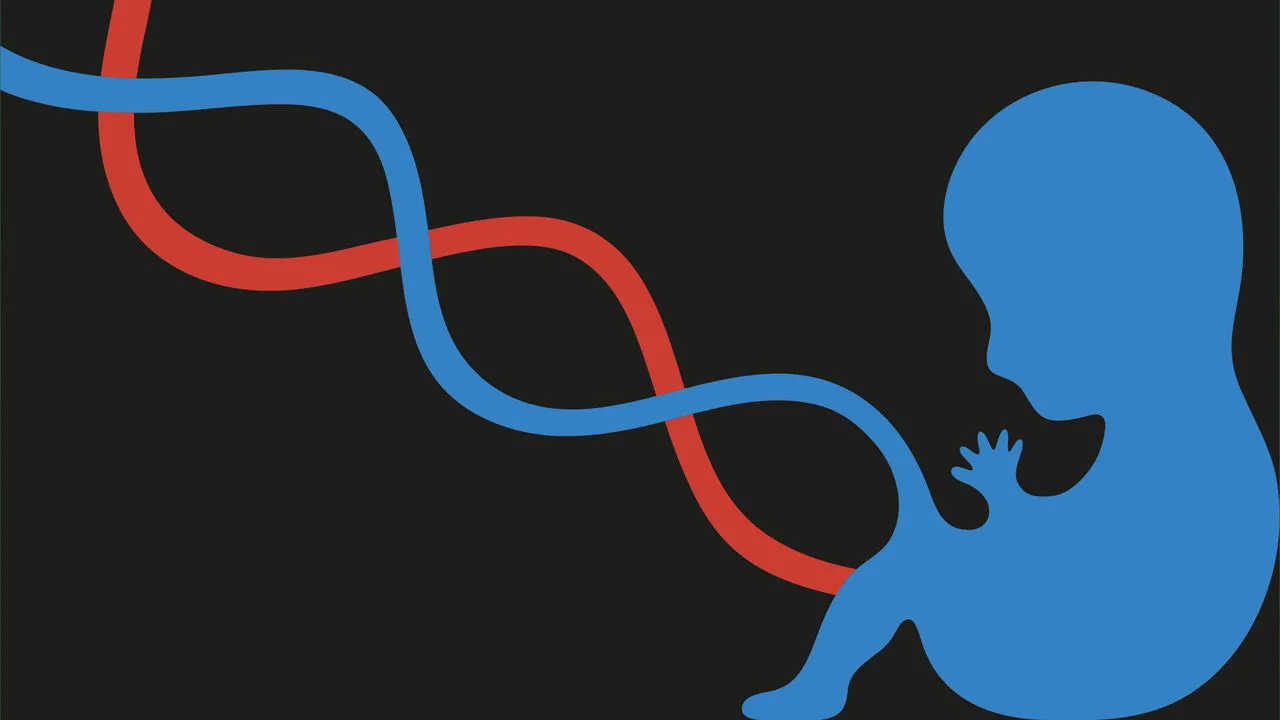
Should Every Baby’s DNA Be Sequenced?
The Economist |
June 2026
Press
What if every newborn received a genome sequence alongside the traditional heel prick test? The Economist explores the rapid expansion of genomic newborn screening through England’s Generation Study, BabySeq in the United States, and similar efforts across Australia and Europe, highlighting both the potential to transform early diagnosis and the ethical challenges that accompany its … Continued

With Genetic Testing, How Much Information Is Too Much?
The New York Times |
June 2026
Press
Drawing on emerging research in newborn genomic screening, including studies led by Dr. Robert Green, this Opinion piece examines both the promise and complexity of using genome sequencing in newborn care. Daniela Lamas examines questions about uncertainty, parental decision-making, and the future of genomic newborn screening as large-scale studies begin enrolling tens of thousands of … Continued

G2P Spring Newsletter 2026
May 2026
G2P News
Spring is a season of new beginnings, and at Genomes2People, that spirit is reflected in the exciting work happening across our team! In this newsletter, we highlight new research advancing equitable newborn genomic sequencing, celebrate one year since Dr. Robert Green’s TED Talk on the life-saving potential of newborn DNA, and spotlight Dr. Anna Lewis’s … Continued
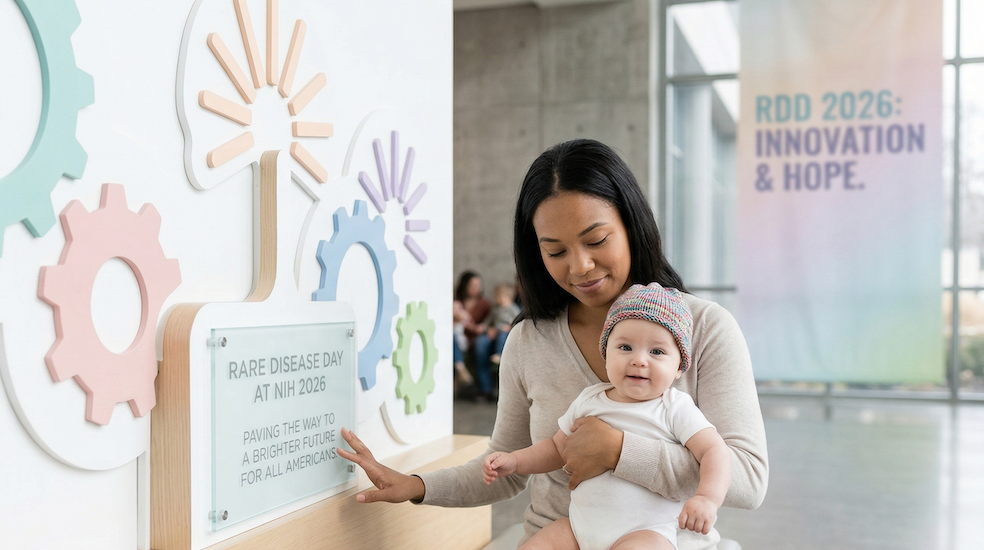
Rare Disease Day at NIH 2026: Paving the Way to a Brighter Future for All Americans
NIH National Center for Advancing Translational Sciences |
March 2026
Press
In celebration of 2026 Rare Disease Day, nearly 2,300 researchers, clinicians, patients, and advocates filled the halls of the NIH Natcher Conference Center or joined virtually to highlight the urgency and opportunity of advancing rare disease research. With more than 10,000 identified rare diseases affecting millions of Americans, speakers emphasized the need for innovative trial … Continued

Newborn Genomic Screening Takes Center Stage at ACMG as Stakeholders Discuss Progress, Concerns
GenomeWeb |
March 2026
Press
As newborn genomic screening initiatives continue to unfold around the world, the ethical and responsible implementation of the approach into public health sparked vibrant discussions at the American College of Medical Genetics and Genomics (ACMG) annual meeting last week. In addition to updates from notable newborn genomic screening studies — such as the UK’s Generation … Continued
Designing inclusive newborn sequencing research: Insights from parents in underrepresented communities
BMC Medical Genetics
March 2026

Navigating ethical, legal and social implications in genomic newborn screening
Nature Reviews Genetics
February 2026

BEACONS Newborn Genome Screening Study Selects Seven Sites, Finalizes Gene List
GenomeWeb |
January 2026
Press Release
GenomeWeb celebrates the BEACONS team’s announcement regarding the selection of 7 U.S. states and territories selected to assess the feasibility of integrating whole genome sequencing into public health newborn screening. The team also published the curated gene list, which consists of 746 genes associated with 777 genetic conditions, all clinically actionable within the first year … Continued

BEACONS Selects Seven Sites, Finalizes Gene List for Genomic Newborn Screening Study
Ariadne Labs Press |
January 2026
Press Release
Ariadne Labs covers the announcement of two major milestones from the newly NIH-funded study, BEACONS. Six states and one U.S. territory have been selected to assess feasibility of integrating whole genome sequencing into public health newborn screening. The BEACONS team has also published the curated gene list, consisting of 777 genetic conditions, all actionable within … Continued

Genomic newborn screening: A scoping review of the field’s evolution and associated ethical, legal, and social implications
European Journal of Human Genetics
May 2026

Explore 2025’s Most Impactful Genetics Research
Elsevier |
December 2025
Press
Join us in celebrating Nina Gold and her team’s incredible work investigating the sensitivity of genomic newborn screening for treating inherited metabolic conditions. Editor-in-Chief Robert D. Steiner of Genetics in Medicine recognized this work as one of the most impactful pieces of genetics research published in 2025!

Dr. Robert Green Speaks at TED on Bringing Preventive Genomics into Everyday Care
Ariadne Labs News |
September 2025
Press Release
Ariadne Labs celebrates Dr. Robert Green’s TED Talk, which explores how preventive genomics could transform medicine by identifying disease risk before symptoms ever appear, even from birth. Drawing on the world’s first DNA screening of healthy newborns, he makes the case for a future of care focused on prediction and prevention, not just treatment.

The Double-Edged Code: The promise and peril of personal genomics
Inside Precision Medicine |
December 2025
Press
This article explores the critical transition toward genomic implementation into precision health, examining the economic, clinical, and ethical frameworks required to integrate genomic data into everyday care. Featuring insights from G2P Director Dr. Robert Green and other leading experts, it challenges us to consider how we will responsibly navigate the most intimate information we possess.

Can Genomic Sequencing at Birth Transform Medicine? Reflections from My TED Talk
Medium |
December 2025
G2P Blog
In this blog post, Dr. Green reflects on his mainstage TED Talk, making the case that integrating whole-genome sequencing at birth could reveal thousands of treatable genetic risks early in life. Drawing on findings from BabySeq Project and the newly funded BEACONS Initiative, he shows how a single test at birth could give families actionable … Continued
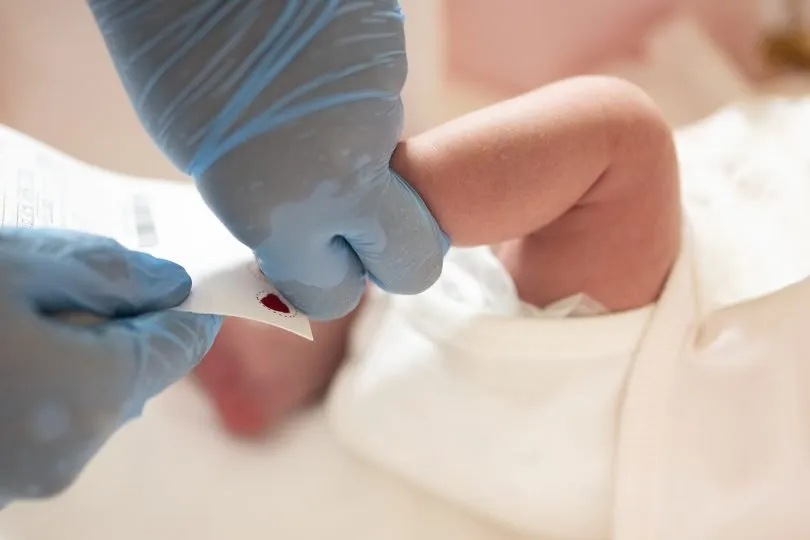
APHL Convenes Newborn Whole Genome Sequencing Initiative, Ensuring Public Health Laboratory Input
APHL Blog |
December 2025
Press
APHL celebrates the launch of BEACONS, the nation’s first multi-state initiative evaluating whether whole genome sequencing (WGS) can be responsibly integrated into the U.S. newborn screening system. With a $14.4M NIH award and invaluable participation from public health labs across the country, BEACONS will test how WGS affects workflows, consent, data systems, and the actionable … Continued


NIH Funds Multi-State Pilot For Genome Sequencing in Newborn Screening
News Medical Net |
October 2025
Press
Dr. Green describes the impact of the novel, NIH-funded BEACONS study: “For more than 50 years, newborn screening has been a beacon of trust, saving children’s lives by analyzing a few drops of blood after birth. BEACONS brings the next generation of hope, giving families the option of genomic screening for hundreds of additional conditions … Continued

First U.S. National Genomic Newborn Screening Initiative Launched with $14.4 Million NIH Award
MGB Newsroom |
October 2025
Press Release
Funded by a $14.4 million award from the National Institutes of Health (NIH) Common Fund Venture Program, BEACONS will pilot the integration of whole genome sequencing into existing state newborn screening systems. The study will recruit, consent, and enroll up to 30,000 newborns in as many as 10 states over the next three years, a … Continued

G2P Summer Newsletter 2025
August 2025
G2P News
What better way to lounge around, enjoying the dog days, than to catch up on G2P news? In this newsletter, G2P presents several summer reads (and a listen!), exploring the various ways genomics is shaping the future of healthcare—and what it means for all of us. Also, come join us at the 2025 Annual Meeting … Continued

Riskier to know — or not to know — you’re predisposed to a disease?
The Harvard Gazette |
July 2025
Press
‘DNA isn’t a crystal ball for every kind of illness’ but potential benefits outweigh fears, says geneticist, Robert C. Green, MD, MPH.
The Ethical Minefield of Testing Infants for Incurable Diseases
New York Times |
June 2025
Press
When Dr. Robert C. Green began BabySeq in 2013, it was the first program in the world to sequence healthy babies, and it was “totally radioactive,” he said. Screening can determine their risk for an ever-growing list of conditions — including ones we can’t do much about.

Data-driven consideration of genetic disorders for global genomic newborn screening programs
Genetics in Medicine
May 2025

New Research Identifies Nearly 300 Treatable Genetic Conditions
The Bump |
April 2025
Press
Researchers hope the new list of identifiable conditions—treatable during or after pregnancy—will help families prepare for what’s ahead and give their babies the best possible start.

Healing Before Birth: How Genetic Screening Is Changing Lives
Forbes |
April 2025
Press
“The ability to diagnose and treat nearly 300 actionable genetic conditions in fetuses and newborns marks a significant milestone in modern medicine. From traditional heel stick tests to cutting-edge genomic sequencing, these advances empower families with critical information and life-saving options. As research continues to evolve, integrating these technologies into routine prenatal and neonatal care … Continued

Advancing precision care in pregnancy through a treatable fetal findings list
American Journal of Human Genetics
April 2025
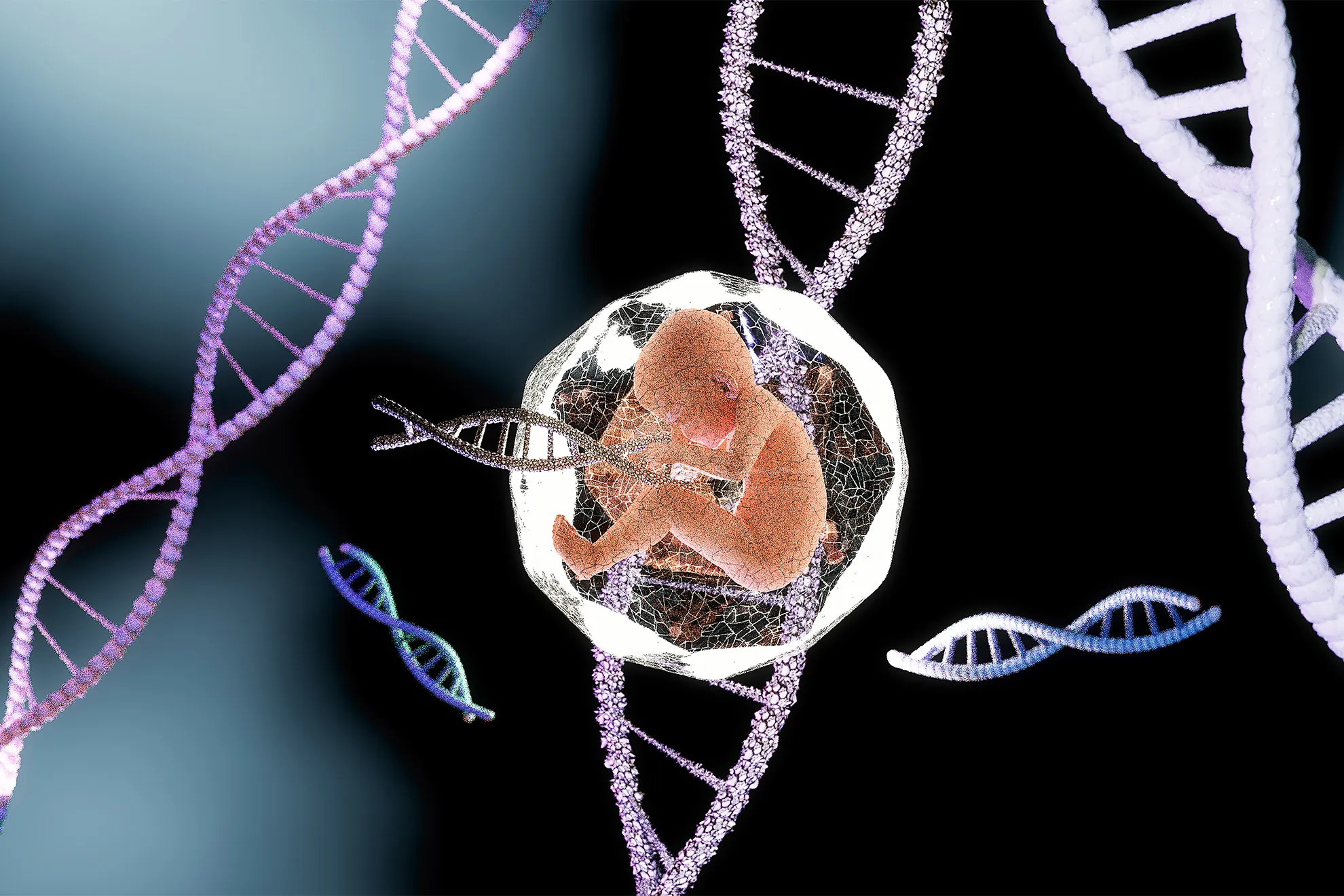
Researchers ID genetic disorders that can be treated before birth
The Harvard Gazette |
April 2025
Press
“We saw a critical gap in prenatal care and an opportunity to define the genetic disorders that are treatable during this time,” said senior author Nina Gold, director of Prenatal Medical Genetics at Massachusetts General Hospital and an assistant professor of pediatrics at Harvard Medical School. “These conditions are actionable — meaning that, empowered with … Continued
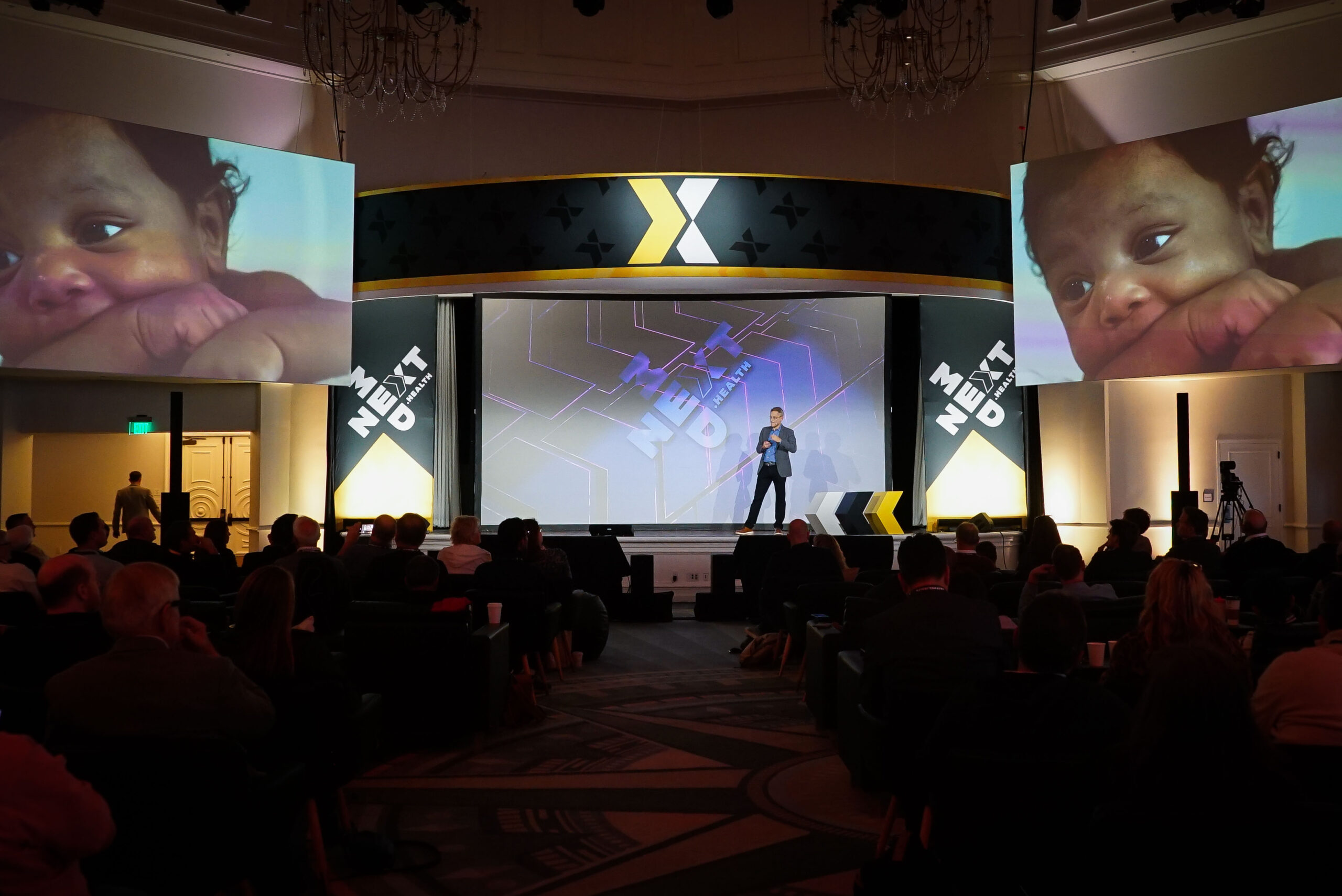
The Path to Universal Newborn Sequencing at NextMed Health 2025
NextMed Health |
March 2025
Video
Robert C. Green, MD, MPH presents the latest findings from the BabySeq Project at NextMed Health 2025 in San Diego. This year’s NextMed Health is focused on re-imagining the future of health and medicine.

G2P Spring Newsletter 2025
G2P News |
March 2025
G2P News
BabySeq is everywhere! This G2P newsletter highlights several upcoming speaking engagements where G2P team members and collaborators will be presenting on the latest newborn sequencing research. Nina Gold, MD and Julie Yeo will be presenting on their recent work at ACMG 2025 in LA. Robert C. Green, MD, MPH will be speaking at NextMed Health, … Continued

IFCC Professional Scientific Exchange Program (PSEP): my experience at Brigham and Women’s Hospital in Boston, USA
International Federation of Clinical Chemistry and Laboratory Medicine |
February 2025
Press
José Manuel González de Aledo Castillo, PhD reflects on his experience rotating with the Genomes2People research program and working on the BabySeq project for a year as part of the IFCC Professional Exchange Program (PSEP). During his rotation, he supported recruitment, genomic analysis, and return of results for the BabySeq project. He also presented results … Continued
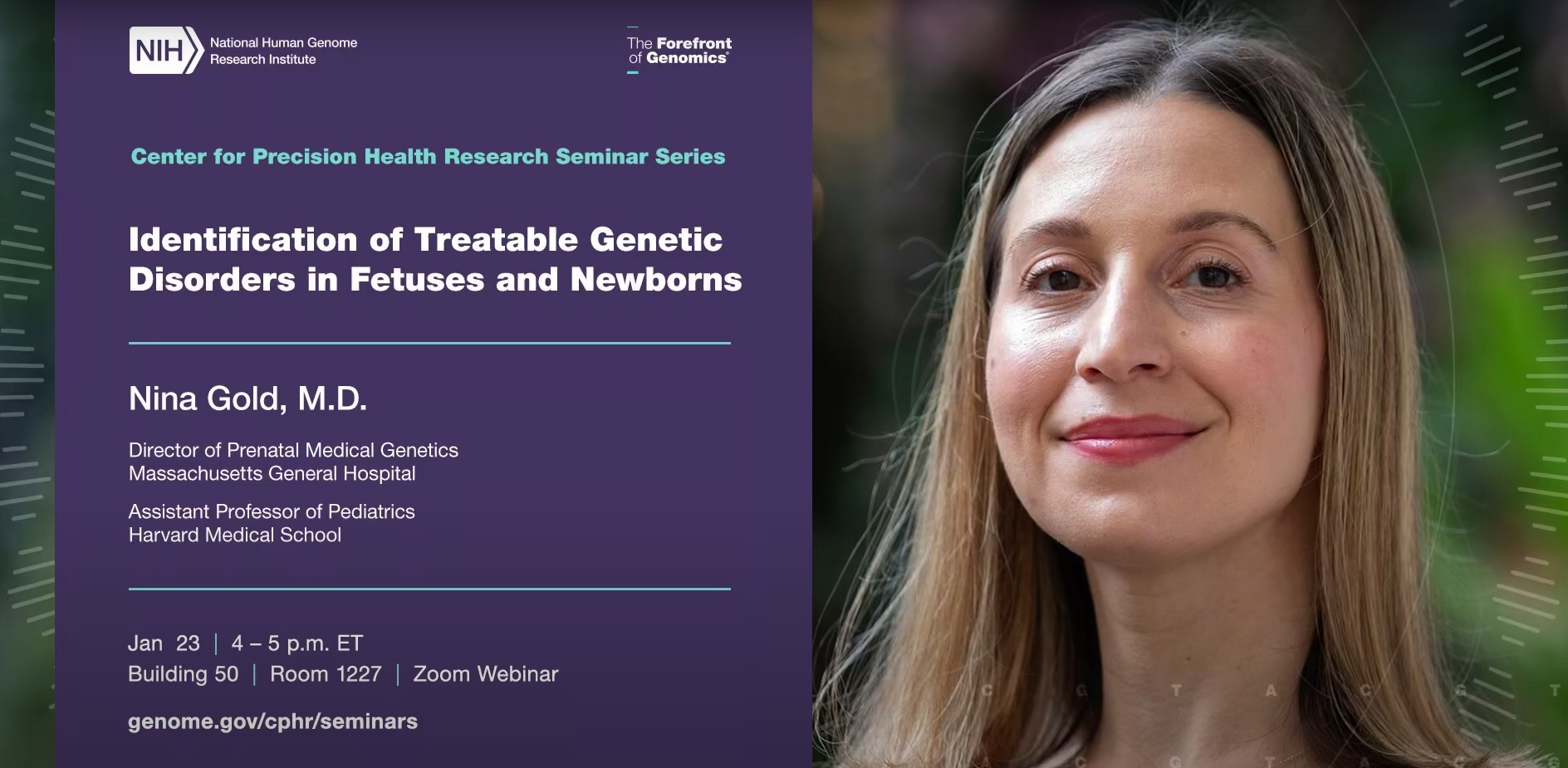
Identification of Treatable Genetic Disorders in Fetuses and Newborns
National Human Genome Research Institute |
January 2025
Video
Over the past decade, genomic sequencing has become a tool for understanding the genetic underpinnings of sonographic abnormalities detected during pregnancy. However, many genetic conditions do not cause detectable physical changes, but can still have profound implications for the health of the fetus or newborn. In this talk, Dr. Gold will discuss a proposed framework … Continued

Family genetic risk communication and cascade testing in the BabySeq Project
Genetics in Medicine
December 2024
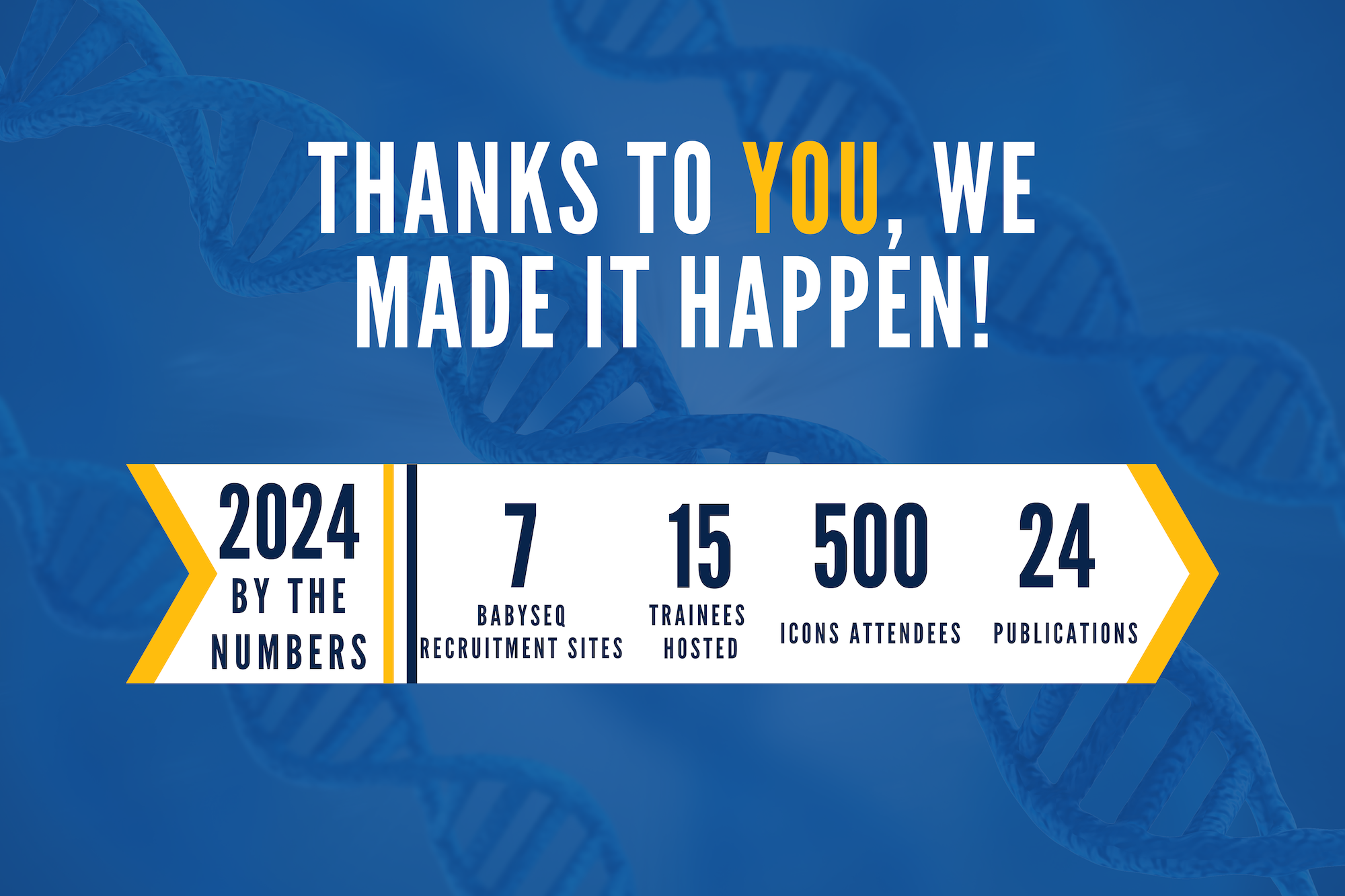
G2P 2024 Year in Review
G2P News |
December 2024
G2P News
Thanks to you, we made it happen! Extending a heartfelt thank you for your support of the Genomes2People Research Program in 2024. This newsletter highlights milestones in 2024, including expanding the BabySeq project to 7 sites nationwide, hosting 15 research trainees, contributing to a successful International Conference on Newborn Sequencing, and completing the first ever … Continued

‘Qatar well positioned for more leadership roles in genomics’
Gulf Times |
December 2024
Press
Robert Green, MD, MPH was interviewed by Gulf Times at the recent Precision Medicine and the Future of Genomics (PMFG) Summit in Doha, Qatar. Dr. Green discusses findings from the BabySeq Project and the potential for Qatar to be leader in genomics and precision medicine.