Elective genomic sequencing for adults in research, clinical and commercial contexts
BMC Medical Genomics
In Press






As newborn genomic screening initiatives continue to unfold around the world, the ethical and responsible implementation of the approach into public health sparked vibrant discussions at the American College of Medical Genetics and Genomics (ACMG) annual meeting last week. In addition to updates from notable newborn genomic screening studies — such as the UK’s Generation … Continued






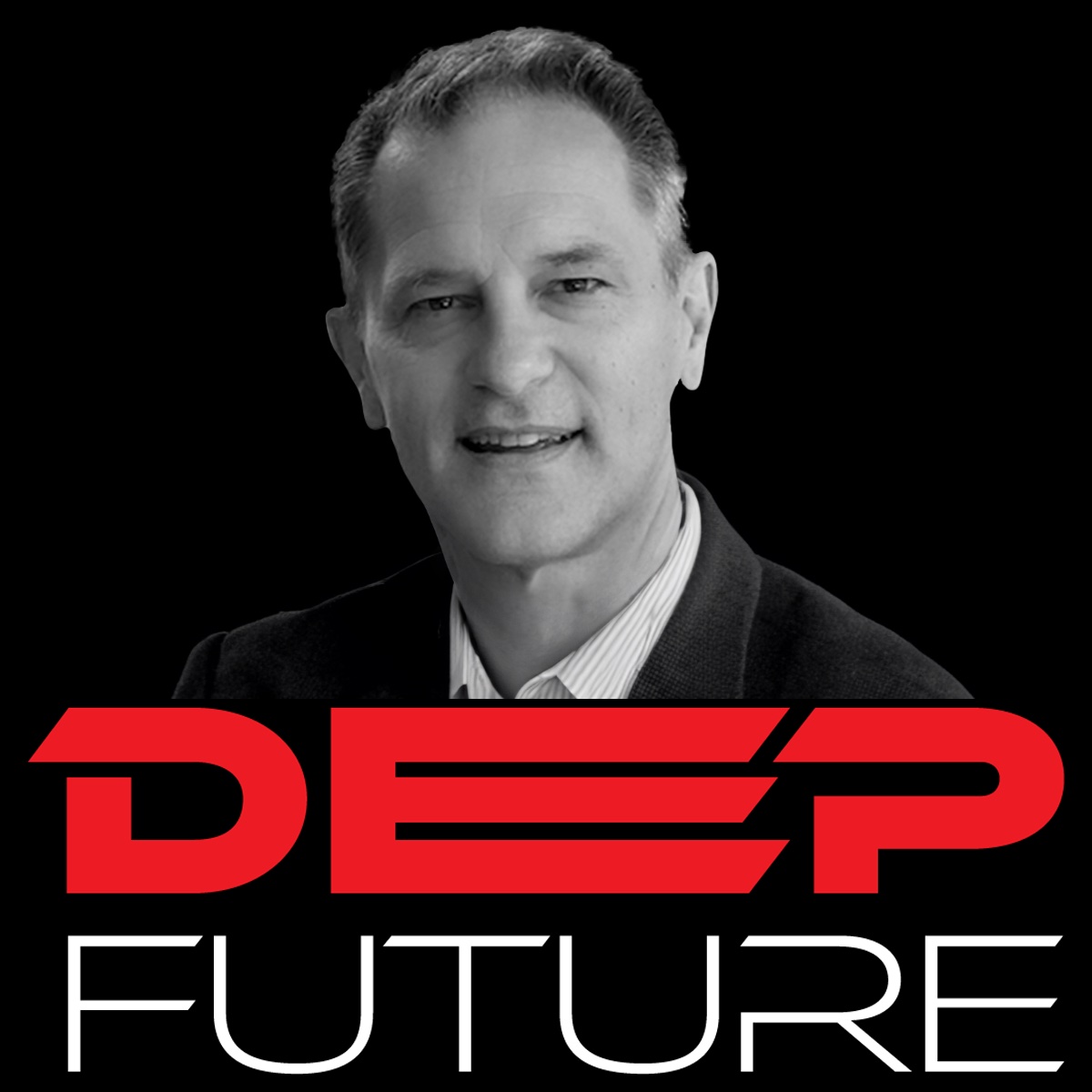
Robert Green joins Pablos Holman on the Deep Future podcast to discuss the promise of genome sequencing in children. He draws upon his work from the BabySeq Project and from his new start-up company, Nurture Genomics, where he uses genomic screening in infants to detect and mitigate actionable genetic conditions.
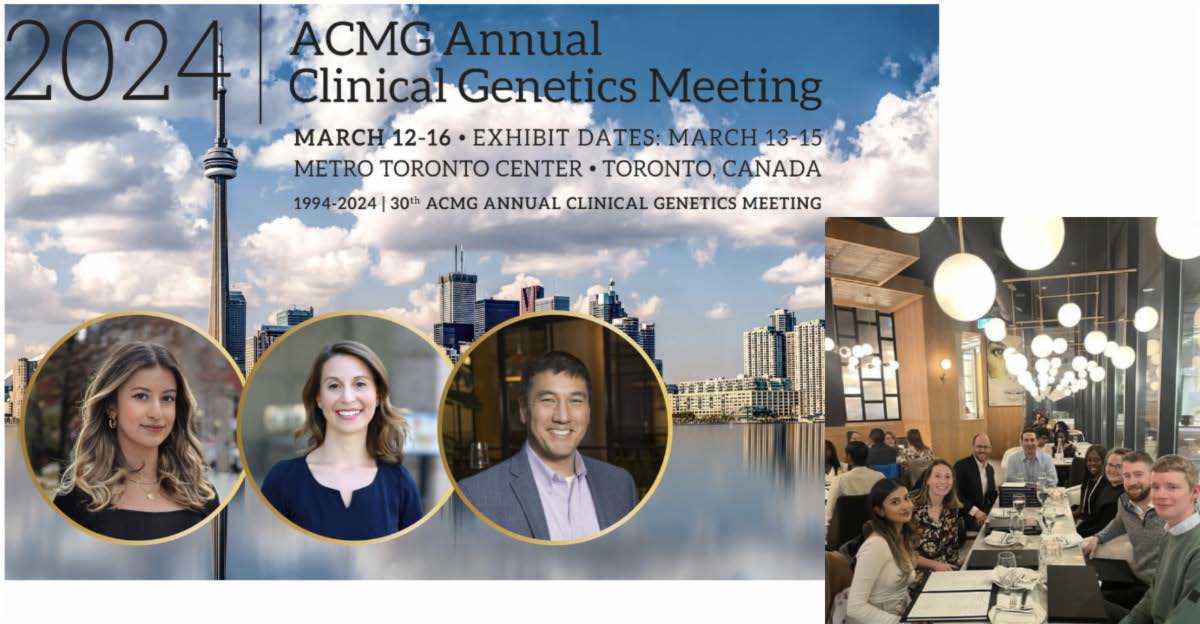
Genomes2People’s first newsletter of 2024 highlights presentations at the ACMG Annual Clinical Genetics Meeting from several G2P collaborators including Ilham Abbasi, Dr. Nina Gold, and Dr. Kurt Christensen. The piece also highlights Dr. Robert Green’s recent interview with CBS News on Rare Disease Day that showcases findings and stories from the BabySeq Project. The newsletter … Continued
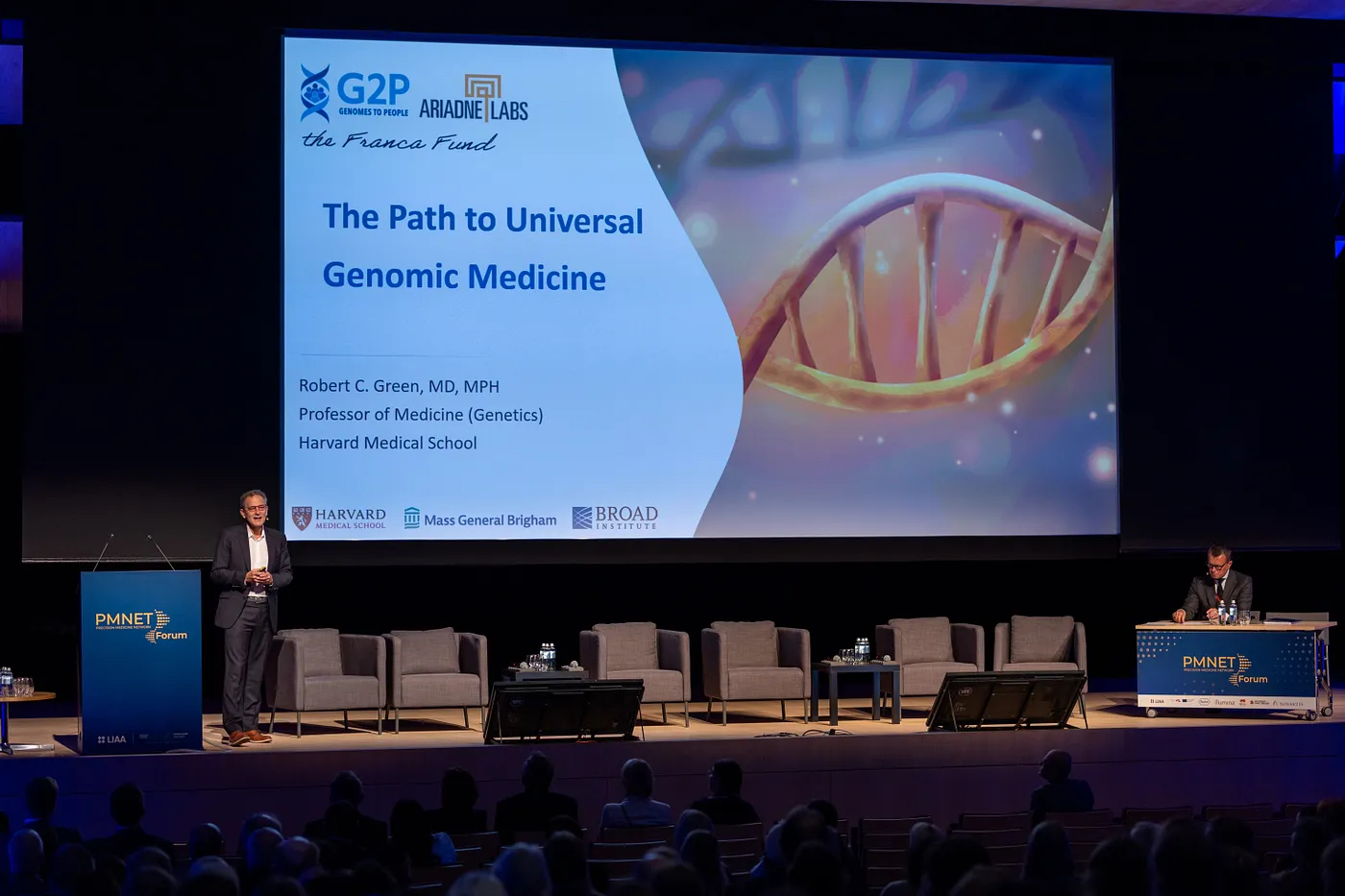
In this blog post, Dr. Robert Green poses the question: “What’s holding us back from doing more with preventive genomics in medicine?” Drawing on his recent keynote talk at the Precision Medicine Network (PMNET) Forum in Riga, Latvia, Dr. Green explores near-term applications of precision medicine using genetic testing such as: newborn and childhood sequencing, … Continued

“In this Q&A with Will Greene, Healthcare Engagement Lead at Roche Diagnostics Asia Pacific, Dr Green talks about his pioneering work in newborn sequencing, including via the BabySeq project and the International Consortium on Newborn Sequencing (ICoNS), as well as his broader efforts to make genomic information actionable and accessible for people everywhere.”
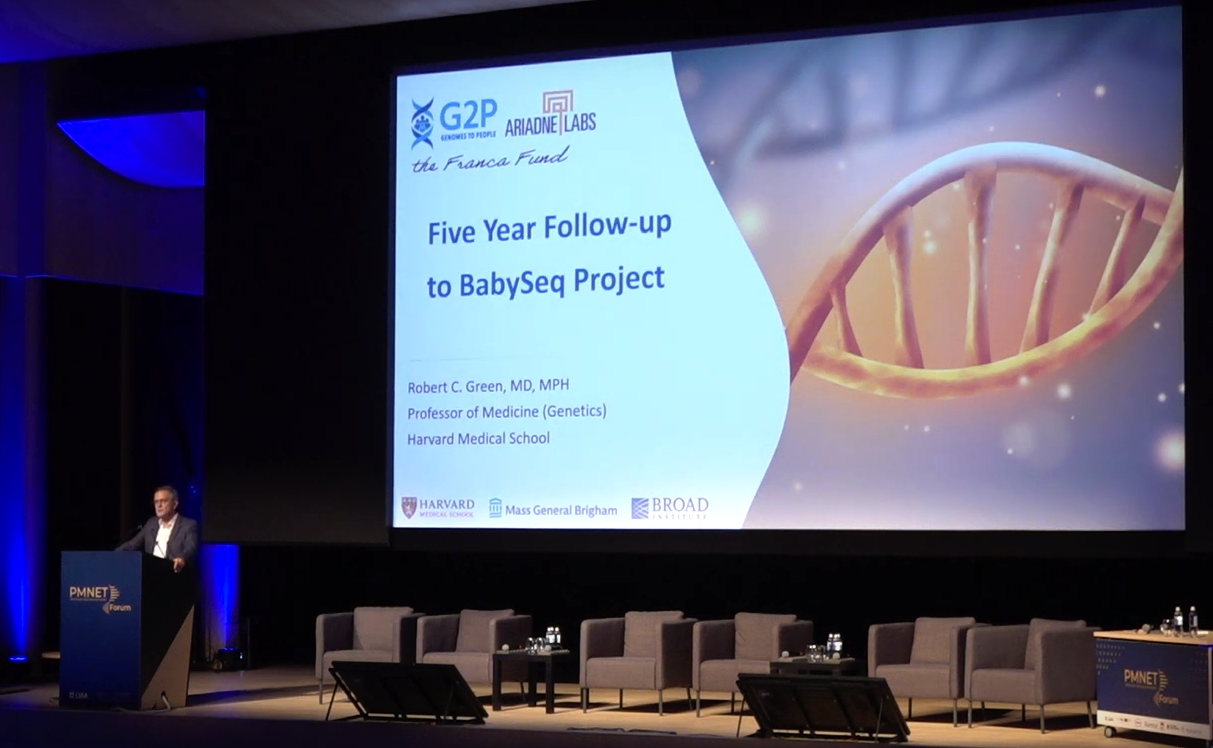
The 2023 Precision Medicine Network (PMNET) Forum was held on October 12-13, 2023 in Riga, Latvia. PMNET’s mission is to improve patient care and outcomes by promoting development and adoption of Precision Medicine. Robert Green gave a talk about the five year follow-up of the BabySeq Project.
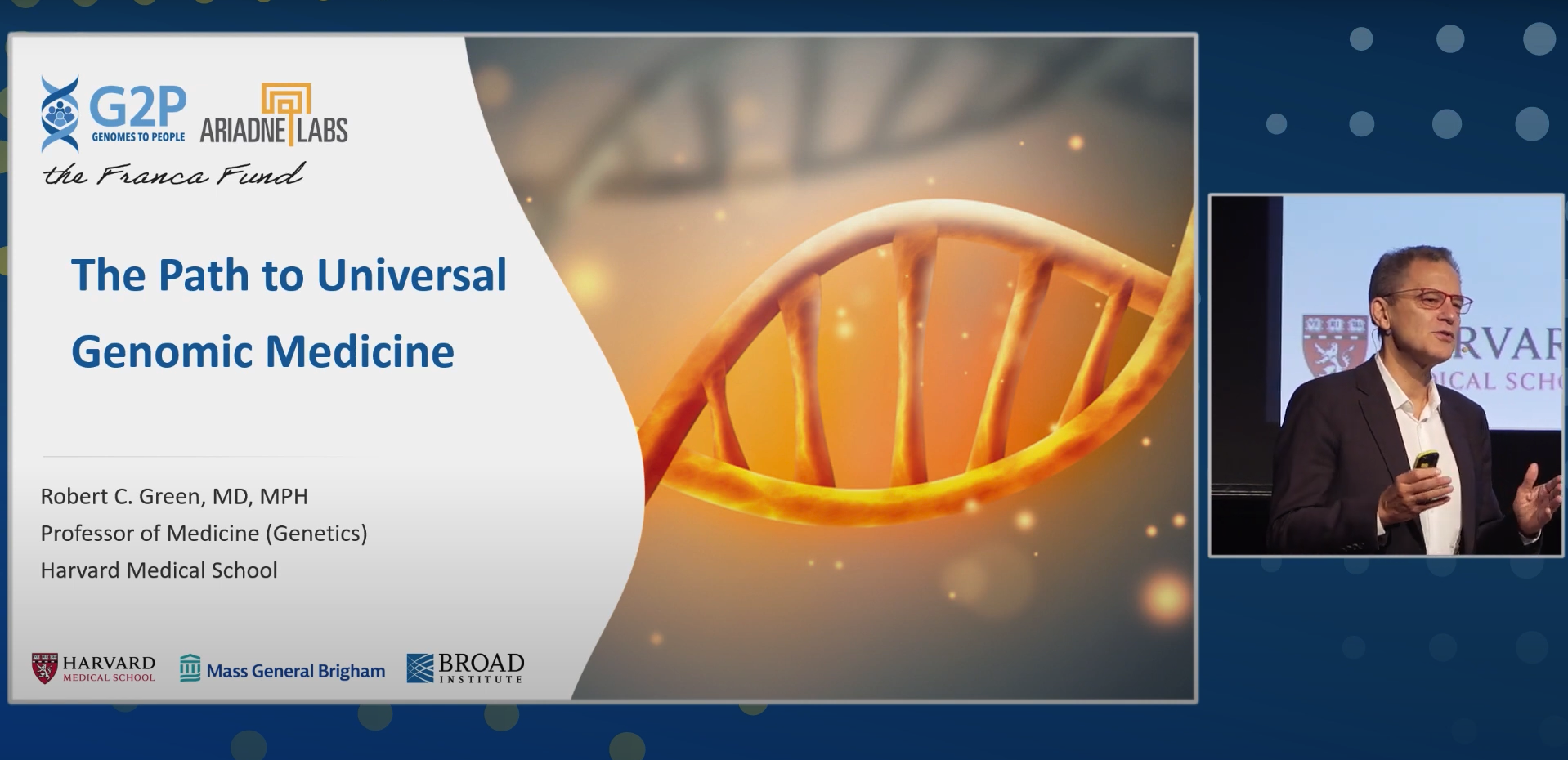
The 2023 Precision Medicine Network (PMNET) Forum was held on October 12-13, 2023 in Riga, Latvia. PMNET’s mission is to improve patient care and outcomes by promoting development and adoption of Precision Medicine. Robert Green shared a keynote talk during the introduction of the Forum entitled The Path to Universal Genomic Medicine.
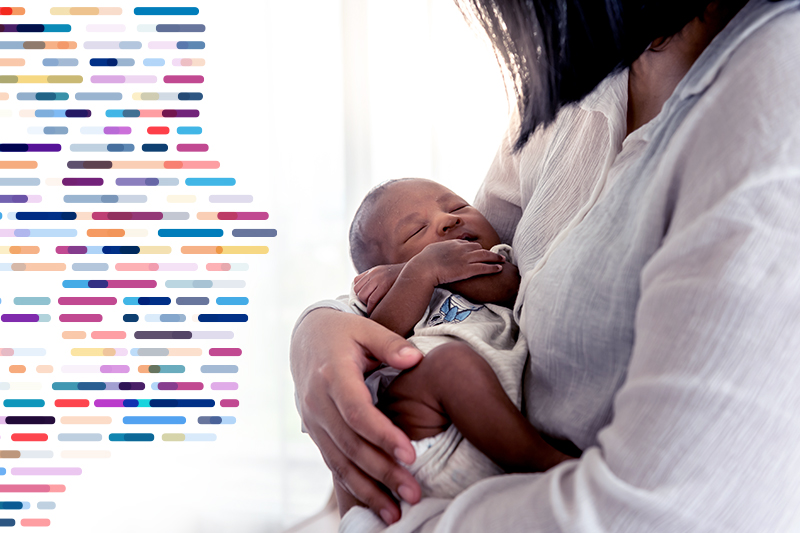
Read about how the second iteration of The BabySeq Project, BabySeq 2.0, is striving to make genome sequencing accessible to a diverse population of newborns at Boston Children’s Hospital and other sites around the country. Ingrid Holm, MD, MPH who co-leads BabySeq 2.0 describes how seeking input from a Community Advisory Board from each participating … Continued
Each month, the editors of Human Genetics and Genomics Advances interview an early-career researcher who has published work in the journal. This month they featured G2P collaborator Dr. Nina Gold to discuss her paper Phenotypes of undiagnosed adults with actionable OTC and GLA variants.
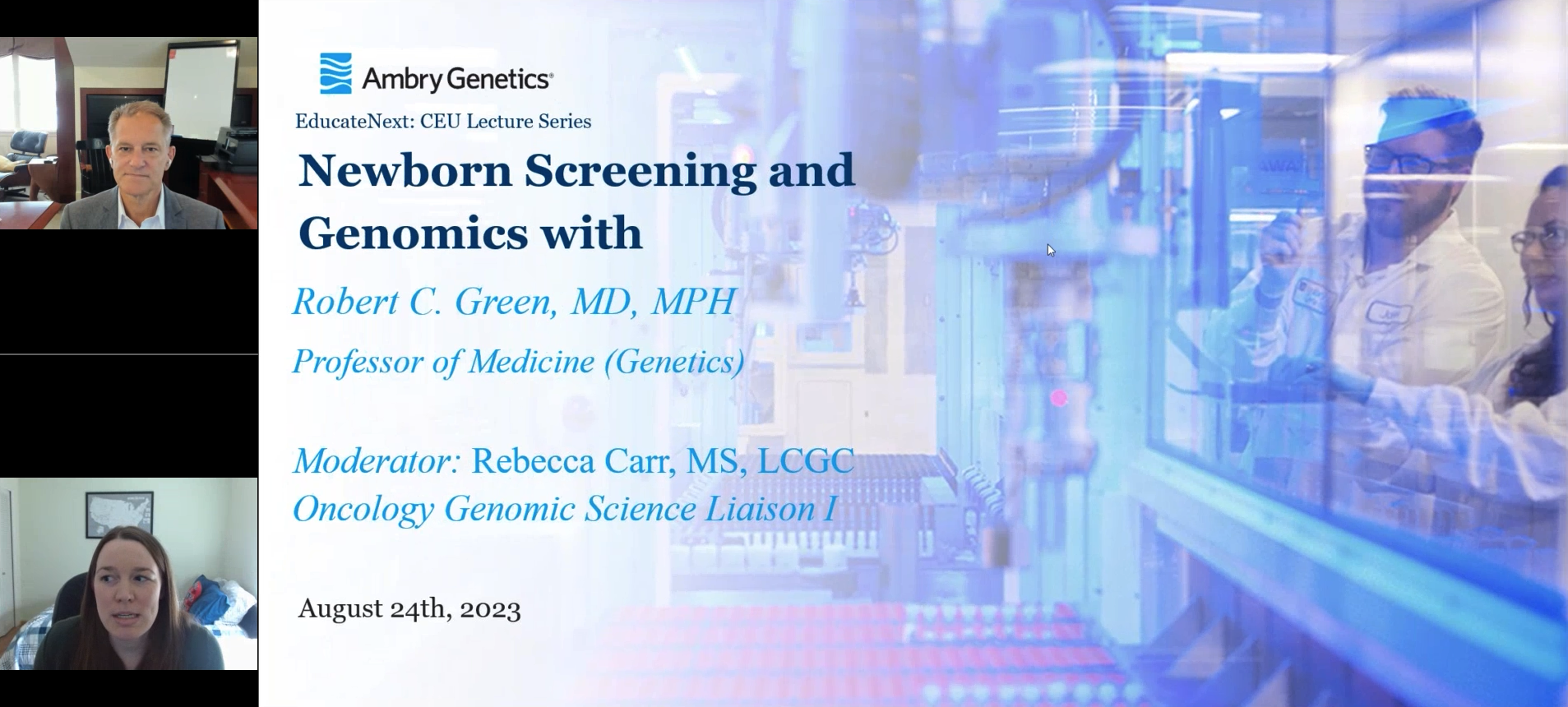
In this webinar Dr. Green explores the path towards a more personalized and preventive approach to medicine. He draws on insights gained from the MedSeq and BabySeq projects led by the Genomes2People Research Program (G2P).

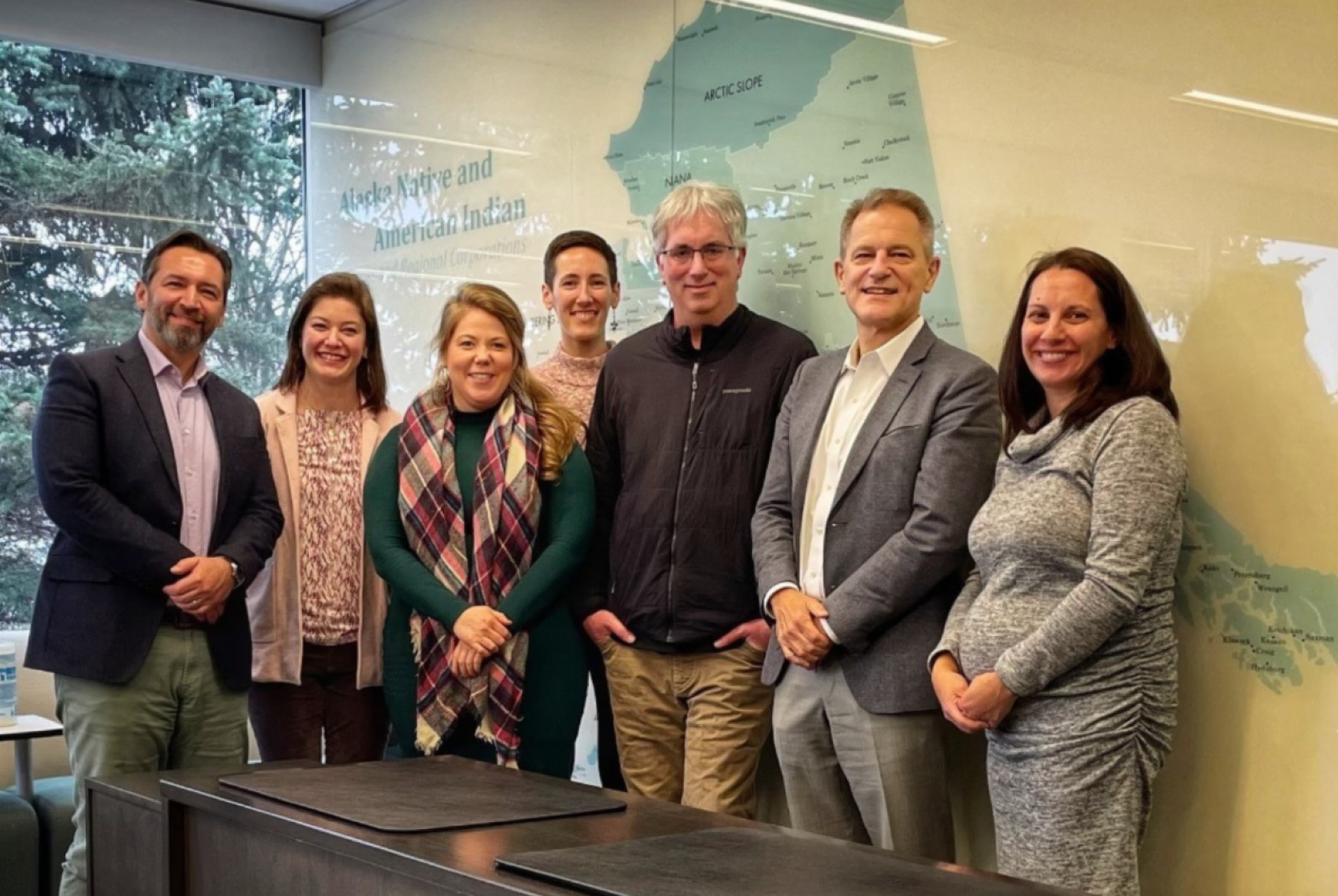
In this newsletter we’re excited to announce that the Precision Population Health initiative (PPH) is working with the South Central Foundation (SCF) on a new clinical genomic screening program to improve the health of the Alaska Native population. We are also thrilled to share that registration for the Second Annual International Conference on Newborn Sequencing … Continued

“The pathogenic or likely pathogenic variants turned up in 13 genes, the team noted, and included variants implicated in Lynch syndrome, breast and ovarian cancer, dilated cardiomyopathy, and other actionable adult-onset or childhood-onset conditions.”

“In the future, imagine identifying a risk for a devastating illness in a healthy newborn baby,” Green said. “Imagine then being able to find the biomarkers for the ones who are going to develop the disease and even preventing it. Imagine how thrilling that would be.”
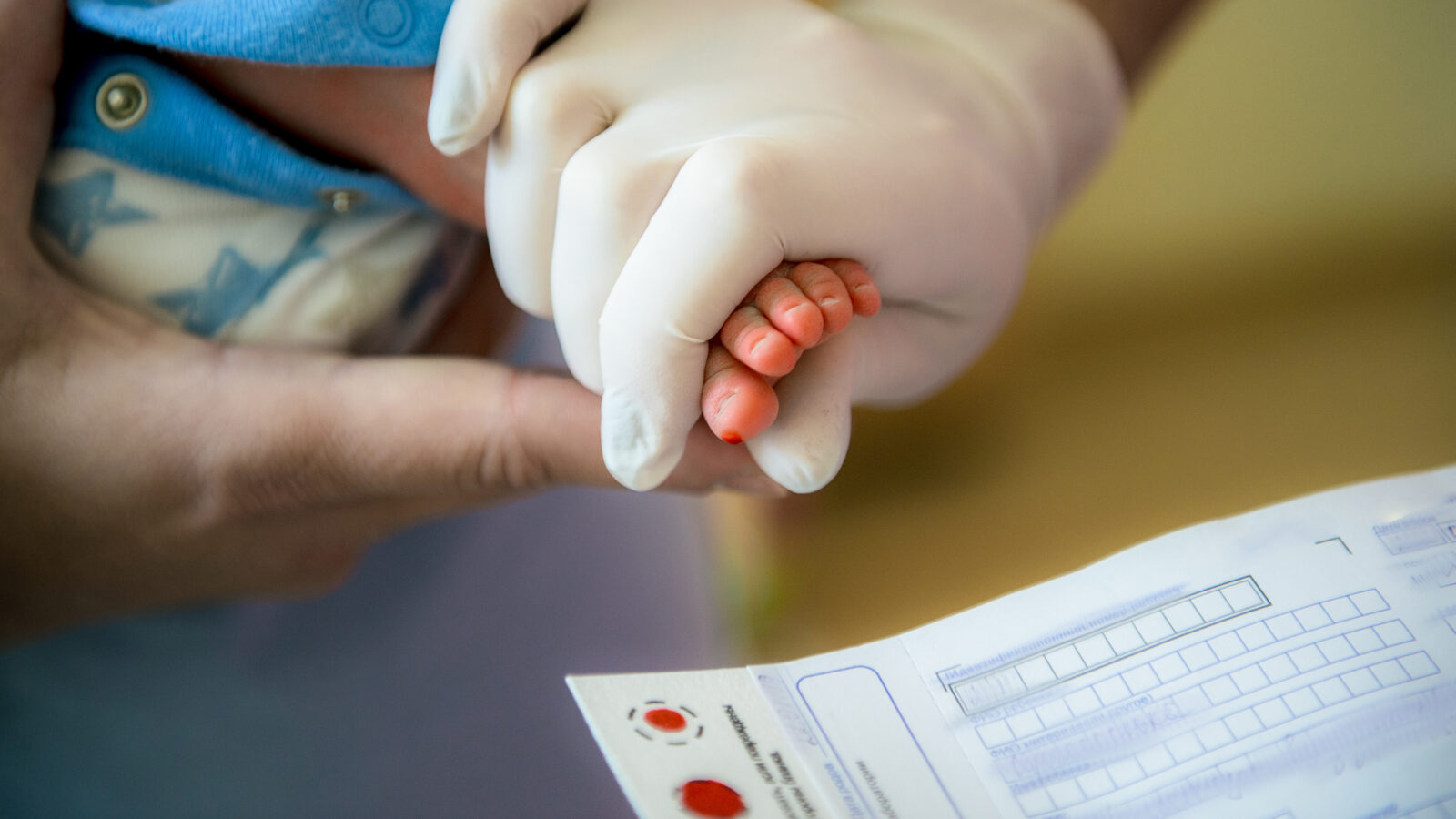
“There are ethicists who say a child should not be used as a genetic canary in a coal mine — that one member of a family should not be used without their consent as the access point for a whole family, but I’d like to challenge that. Look at these mothers. We arguably saved their … Continued
“By screening apparently healthy newborns, entire families were alerted for the first time that dangerous but treatable genetic variants were present,” said corresponding author Robert C. Green, MD, MPH, a physician-scientist at Brigham and Women’s Hospital and professor of genetics at Harvard Medical School, who leads the BabySeq Project. “We were stunned to see that … Continued
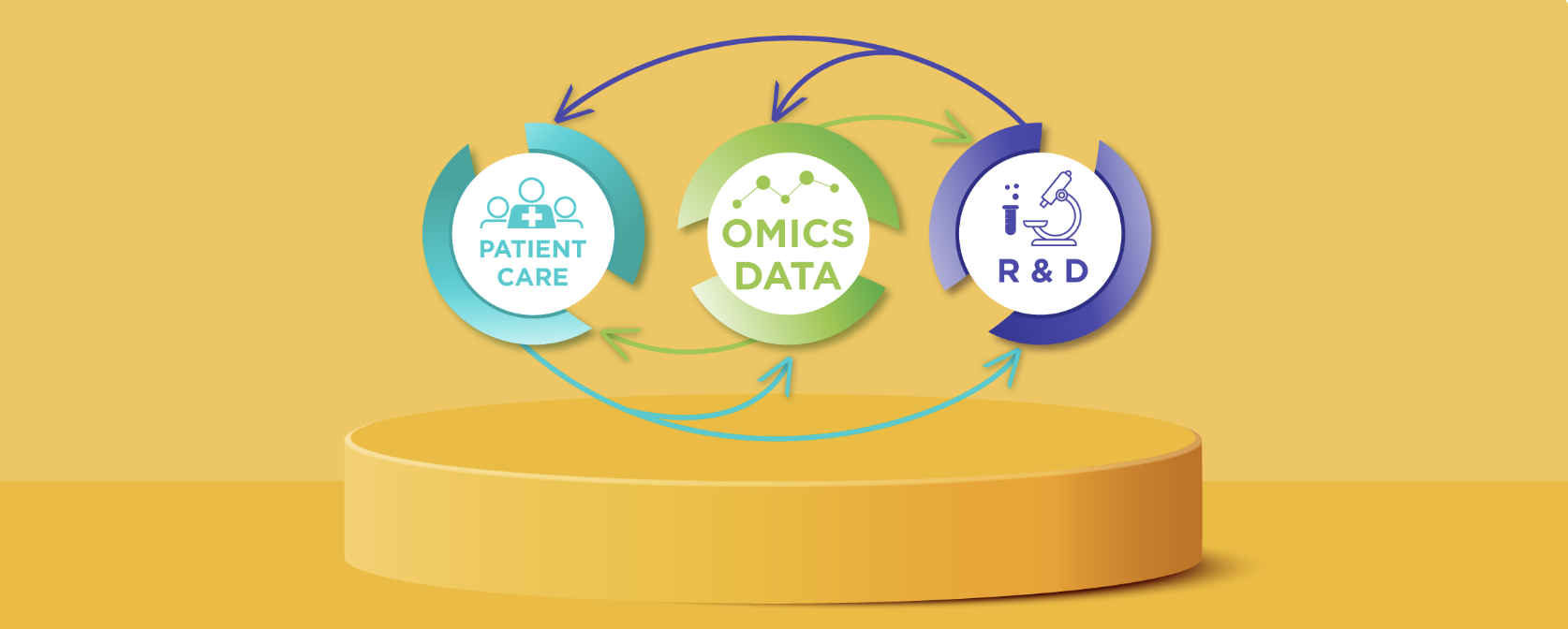
“Omics data could herald a revolution in healthcare. The analysis of rich, interconnected and longitudinal multi-omics datasets promises a better understanding of the underlying biology of human health and disease, which in turn could lead to more effective prevention, earlier and more accurate diagnoses, new treatments and better choice of treatments. Despite that promise, only … Continued
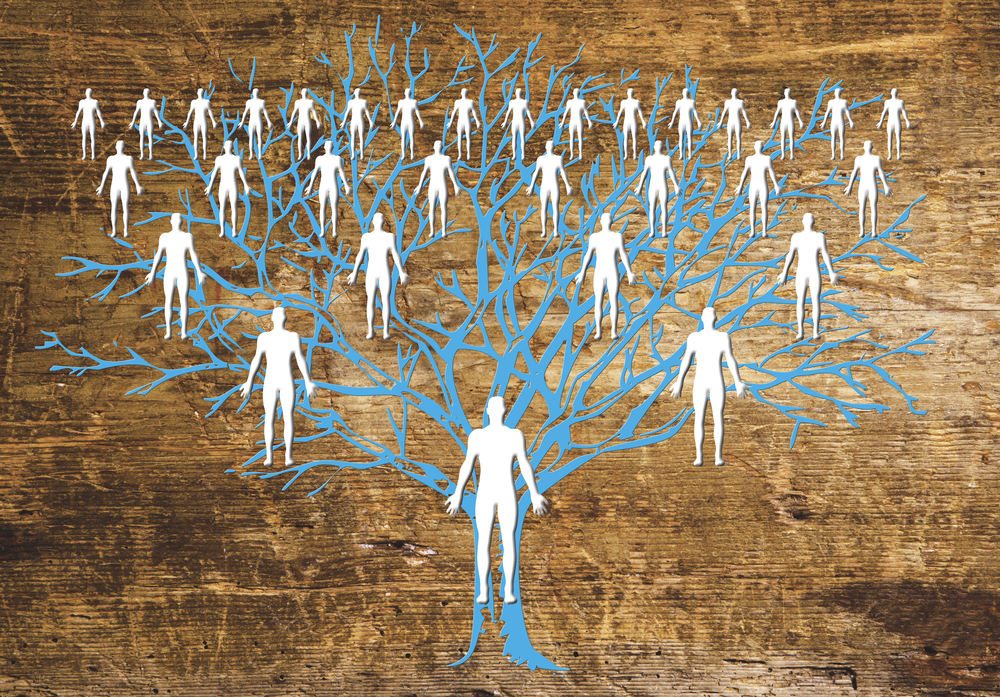



In this Chicago Tribune post, G2P Director Robert Green writes that Hemsworth and Jolie are accelerating awareness and acceptance of a future where we do not wait to respond to the ravages of so many diseases but rather anticipate, predict and prevent them through genomics.


The lack of diversity in genomic research may be a call to fundamentally change the research enterprise.
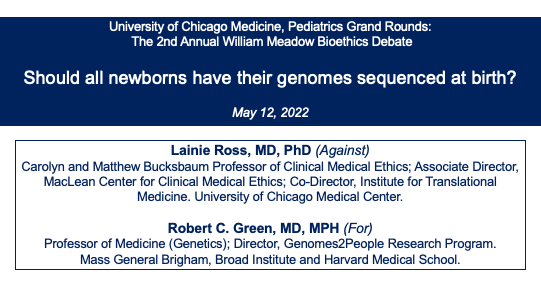
In this debate hosted by the University of Chicago School of Medicine, Dr. Lainie Ross and Dr. Robert C. Green both respond to the question “should all newborns have their genomes sequenced at birth?”
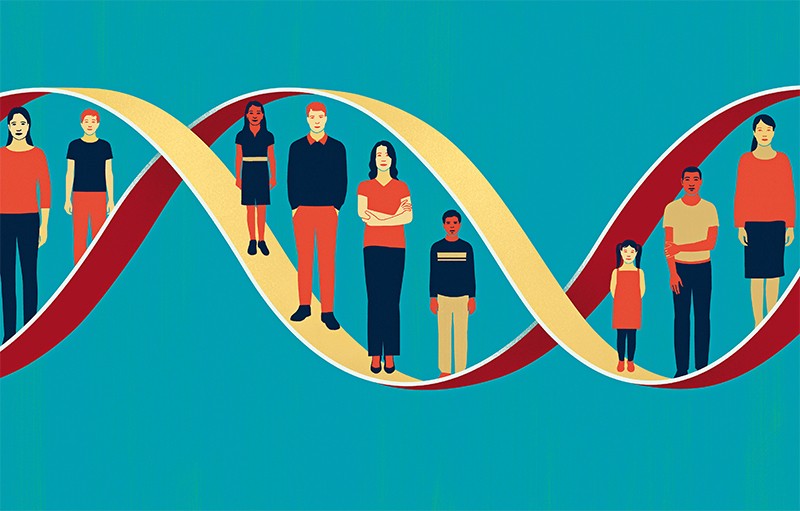
“Genomic researchers who are returning results to participants need to look at how to incorporate sequencing now, not later.”
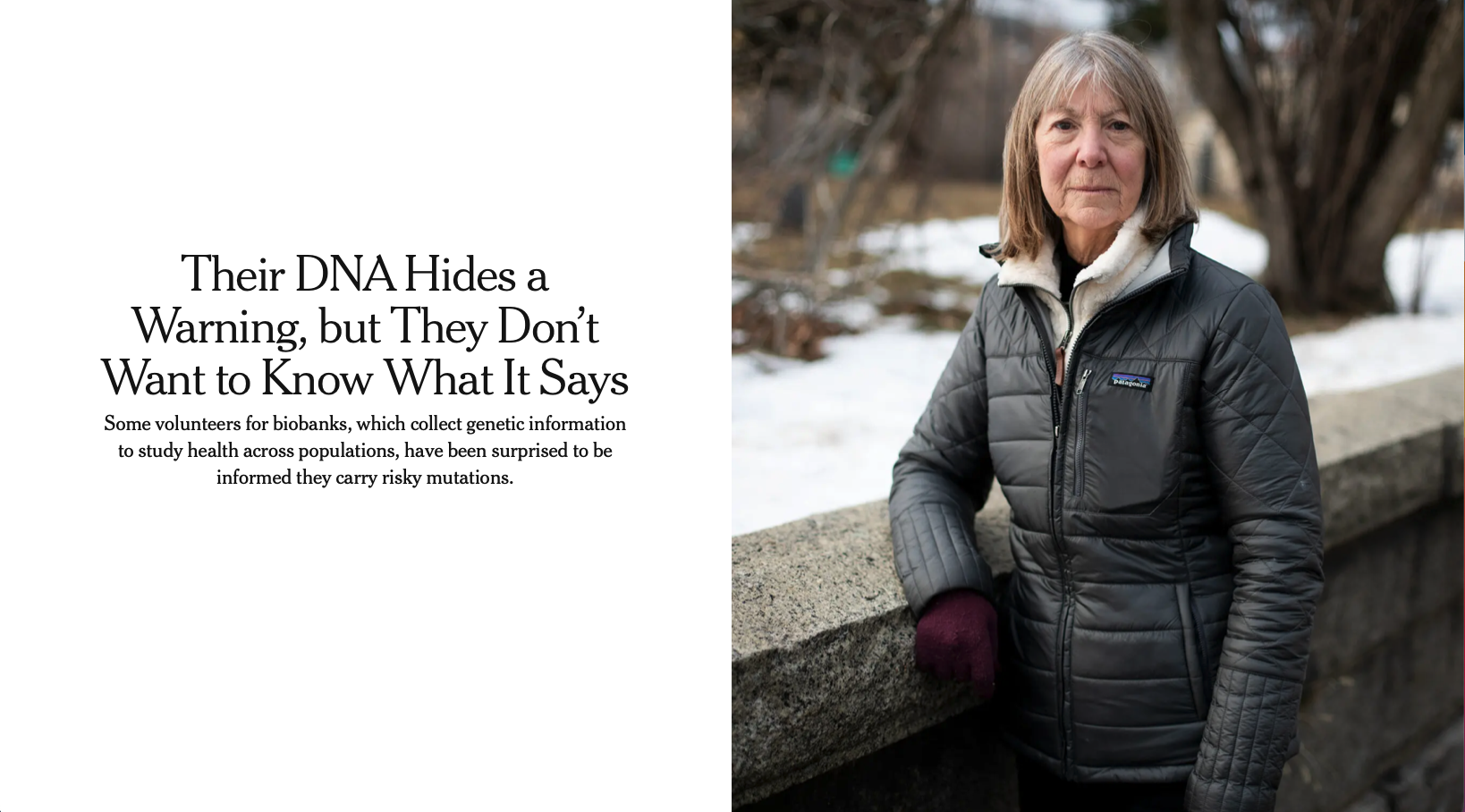
The MGB Biobank returned actionable genetics results to 256 participants, 76.3 percent of whom were unaware that they carried a variant that put them at increased risk. The New York Times reports on this return of results process, outlining that some participants wanted to learn this information and others did not.

“Published in the American Journal of Human Genetics on Monday, the study describes takeaways from an effort by BWH’s Genomes2People (G2P) program to disclose actionable genetic results to research participants who volunteered to contribute to the Mass General Brigham Biobank.”