Recommendations for return of secondary genomic findings in observational cohort studies
Nature Genetics
September 2026








As newborn genomic screening initiatives continue to unfold around the world, the ethical and responsible implementation of the approach into public health sparked vibrant discussions at the American College of Medical Genetics and Genomics (ACMG) annual meeting last week. In addition to updates from notable newborn genomic screening studies — such as the UK’s Generation … Continued



Ariadne Labs celebrates Dr. Robert Green’s TED Talk, which explores how preventive genomics could transform medicine by identifying disease risk before symptoms ever appear, even from birth. Drawing on the world’s first DNA screening of healthy newborns, he makes the case for a future of care focused on prediction and prevention, not just treatment.



‘DNA isn’t a crystal ball for every kind of illness’ but potential benefits outweigh fears, says geneticist, Robert C. Green, MD, MPH.
The National Academy of Medicine (NAM) has selected 11 individuals for the 2025 class of the NAM Scholars in Diagnostic Excellence program. Funded by the Gordon and Betty Moore Foundation, this collaborative program in partnership with the Council of Medical Specialty Societies (CMSS) offers a one-year, part-time experience for exceptional health professionals to advance their diagnostic … Continued

Robert C. Green, MD, MPH presents the latest findings from the BabySeq Project at NextMed Health 2025 in San Diego. This year’s NextMed Health is focused on re-imagining the future of health and medicine.
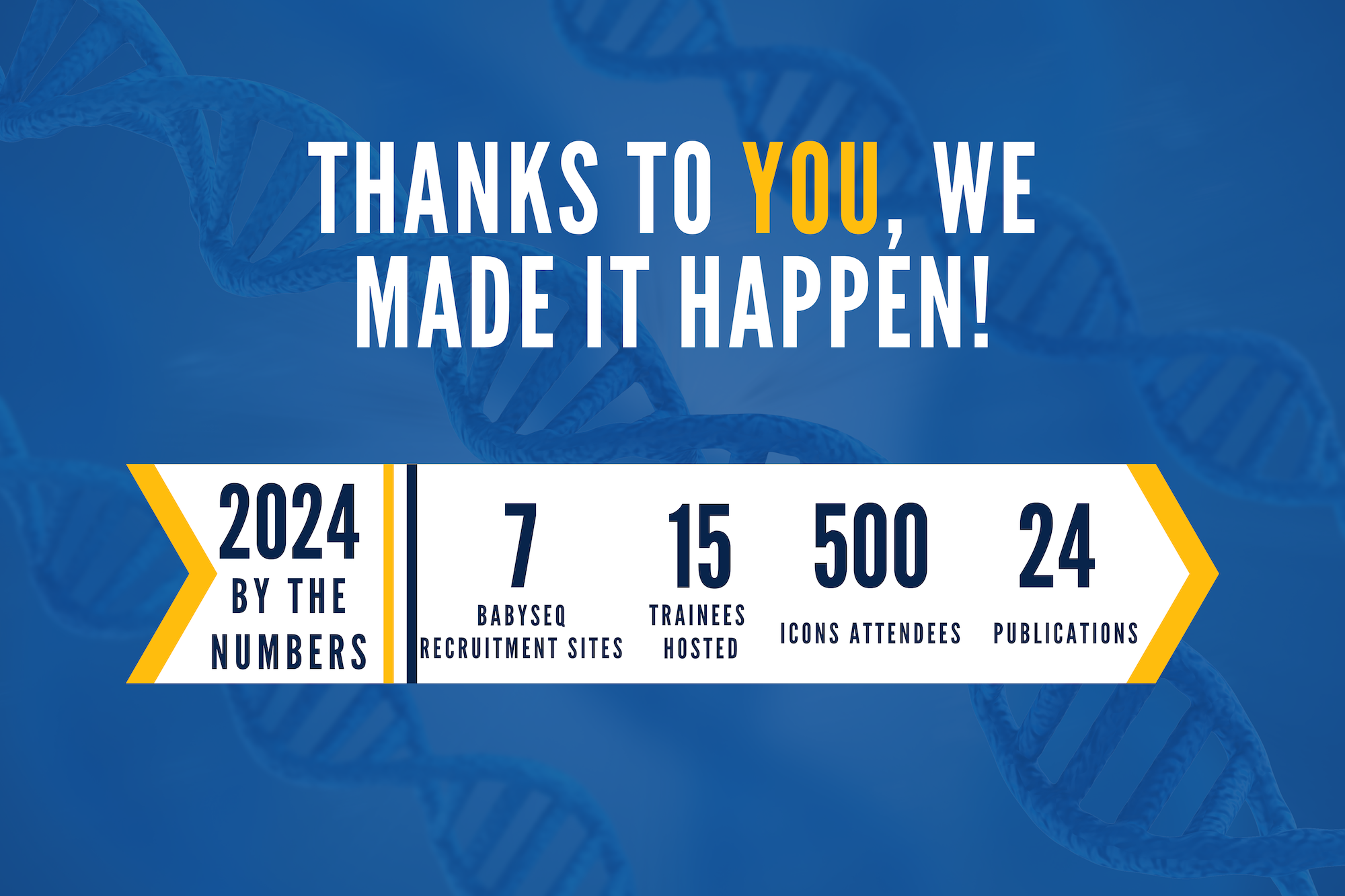
Thanks to you, we made it happen! Extending a heartfelt thank you for your support of the Genomes2People Research Program in 2024. This newsletter highlights milestones in 2024, including expanding the BabySeq project to 7 sites nationwide, hosting 15 research trainees, contributing to a successful International Conference on Newborn Sequencing, and completing the first ever … Continued

Robert C. Green, MD, MPH writes a piece for Lifestyles Magazine on the promise of preventive genomics. Dr. Green draws on his experience researching preventive genomics over the past 20 years and his experience launching Nurture Genomics, a start-up delivering genome sequencing to newborns and children.



G2P’s final newsletter of 2023 celebrates the five year anniversary of The Franca Sozzani Fund for Preventive Genomics. Other highlights include the second annual meeting of the International Consortium on Newborn Sequencing (ICoNS) in London and the 2023 Advisory Board members of the year, Mike and Ann Marie Einziger. We also join Genomes2Veterans in celebrating … Continued
This newsletter highlights the International Conference on Newborn Sequencing (ICoNS) that is just around the corner on October 5-6, 2023 in London, UK. It’s not too late to register! Other G2P updates include media coverage of BabySeq1 publications, a new publication from the Sanford Imagenetics team about pharmacogenomics in primary care, and a blog post … Continued

In this newsletter we’re excited to announce that the Precision Population Health initiative (PPH) is working with the South Central Foundation (SCF) on a new clinical genomic screening program to improve the health of the Alaska Native population. We are also thrilled to share that registration for the Second Annual International Conference on Newborn Sequencing … Continued

“Addressing stark, deeply-rooted racial disparities in healthcare has to be a priority for medical research. PRS might be one tool to improve disease screening and move us beyond race-based medical decision-making and toward more equitable health outcomes.”
“In a newly released study, nearly nine of 10 experts on rare diseases agreed that sequencing healthy newborns’ DNA to reveal treatable genetic disorders should be available for all infants. At least half of experts also endorsed testing for more than 400 genes as part of such newborn genomic screens. These NCATS-supported study results might … Continued

“While newborns are only screened for about 60 treatable conditions, there are hundreds of genetic disorders that have targeted treatments. Now, a national survey of experts in rare diseases found the vast majority support DNA sequencing in healthy newborns…’It has been a longstanding dream to someday offer DNA sequencing to all newborns in order to … Continued

“Research led by Mass General Hospital for Children suggests that almost 90% of rare disease experts are in favor of newborn genome sequencing for monogenic treatable disorders…’Early identification of infants who are at risk for genetic disorders can be lifesaving and screening has the potential to improve healthcare disparities for affected children,’ said lead author … Continued

“An overwhelming majority of rare disease experts agree that a genomic sequencing test for monogenic treatable conditions should be available to all newborns, a new survey shows.”
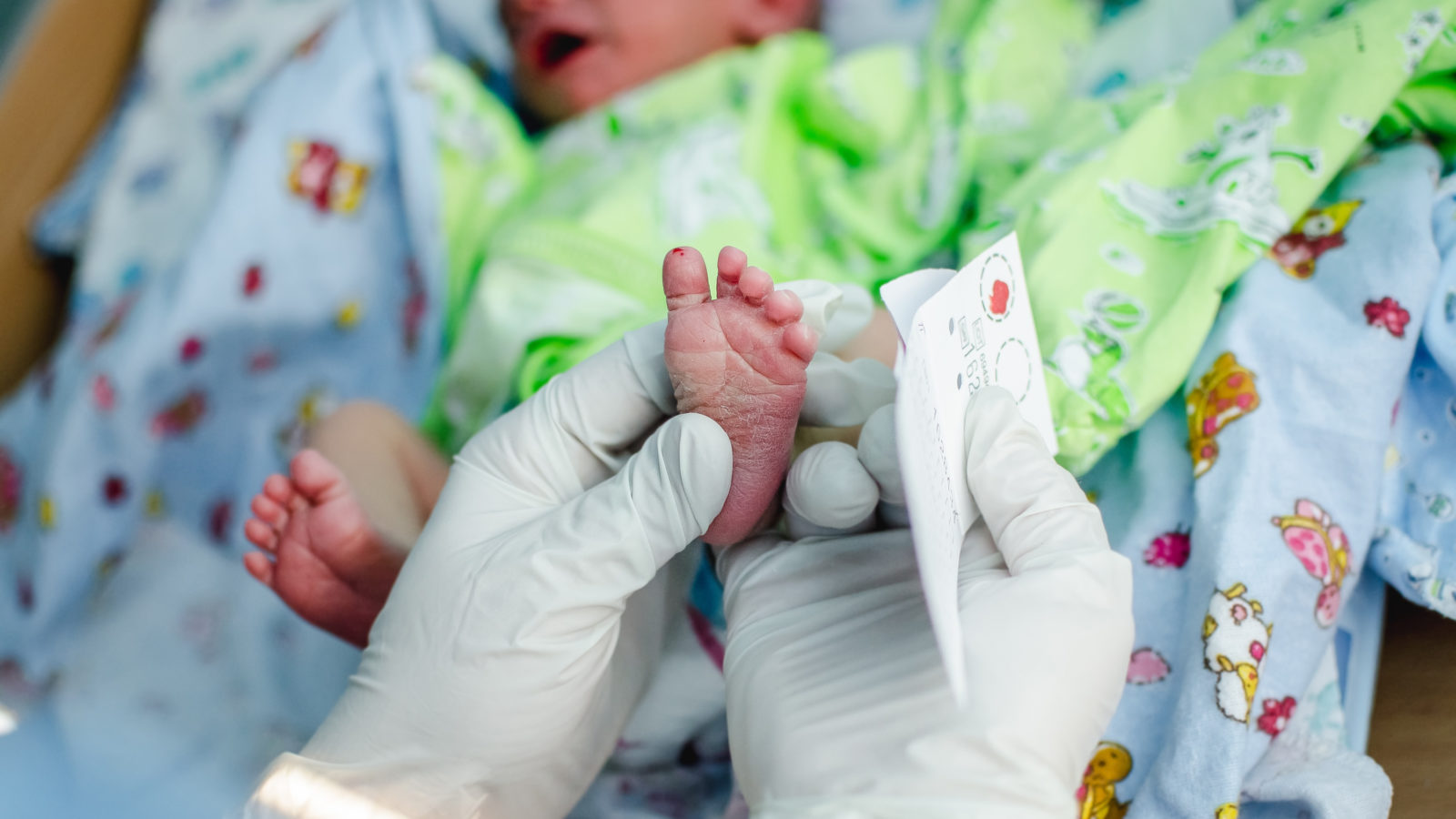
“When 238 rare-disease doctors across the U.S. were surveyed by a research team at Mass General Brigham in Boston, 88% of them agreed that DNA sequencing to screen for certain treatable childhood disorders should be made available to all newborns. The study was published Monday in JAMA Network Open.”

“Findings from a new study led by researchers at Mass General Brigham suggest that rare disease experts are now in favor of more expansive newborn testing. In a study published today in JAMA Network Open, 88 percent of rare disease experts agreed that DNA sequencing to screen for treatable childhood disorders should be made available … Continued
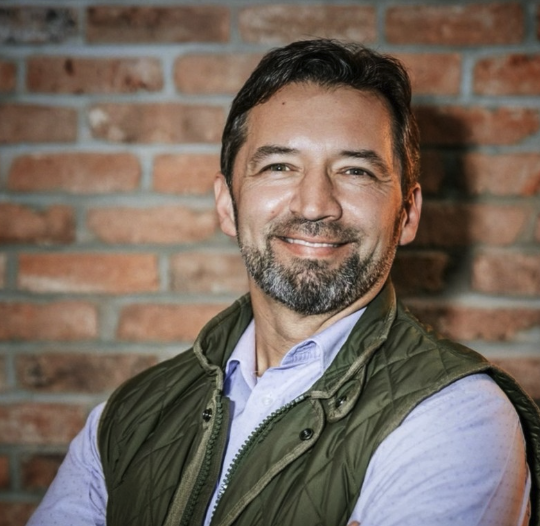
“In our Five-Question series, we highlight the staff and faculty behind the compelling work at Ariadne Labs. Upstream or downstream? That has long been a career question for Nic Encina, MS, MS, MBA, now Director of Strategy of the Precision Population Health initiative at Ariadne Labs.”


In this Chicago Tribune post, G2P Director Robert Green writes that Hemsworth and Jolie are accelerating awareness and acceptance of a future where we do not wait to respond to the ravages of so many diseases but rather anticipate, predict and prevent them through genomics.

The lack of diversity in genomic research may be a call to fundamentally change the research enterprise.

“Would you have your baby’s genes sequenced at birth? A groundbreaking trial that used whole-genome sequencing to predict newborns’ future health, is starting to reveal the impact it has had on the whole family, seven years down the line.”
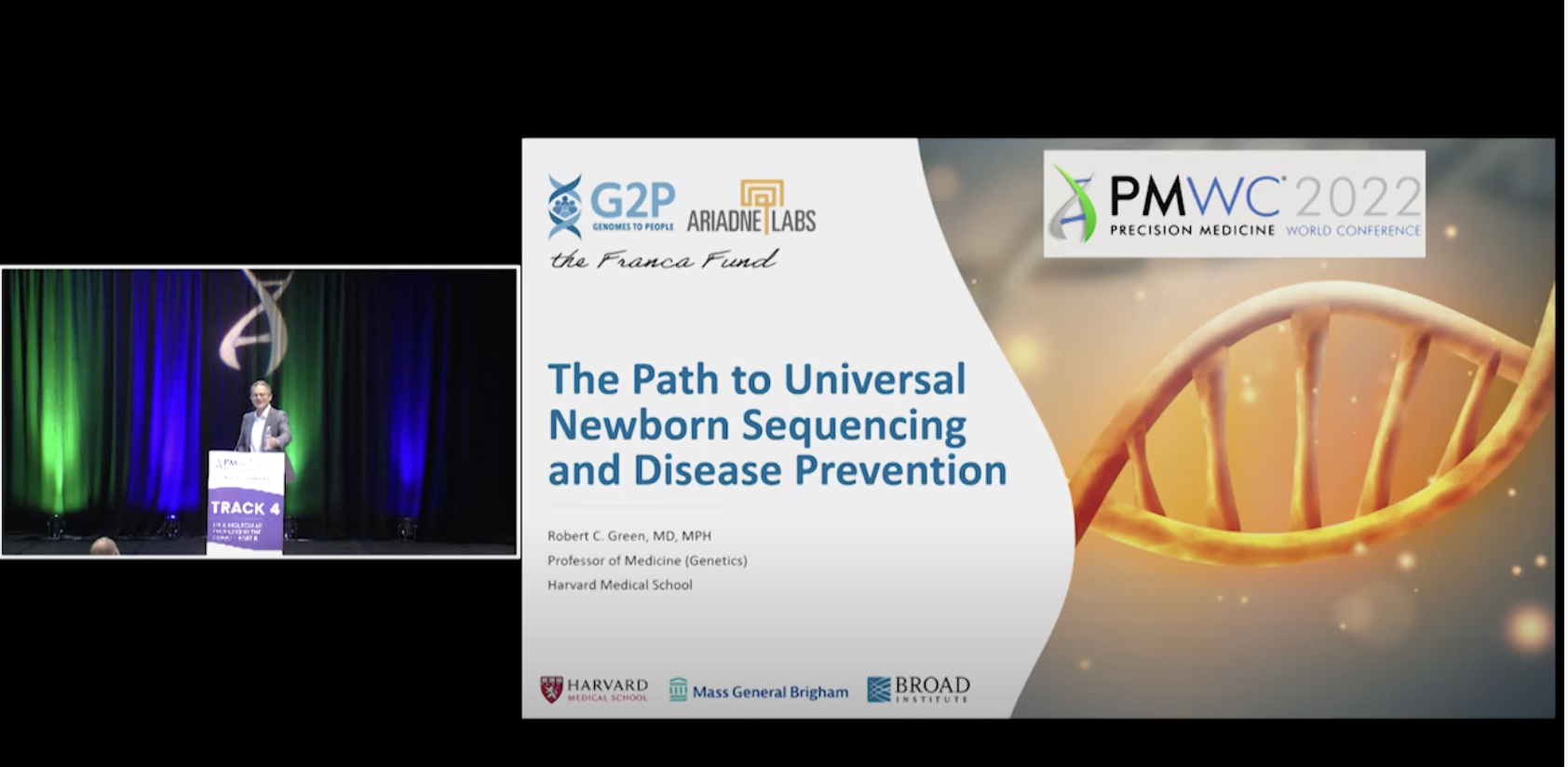
PMWC, the “Precision Medicine World Conference” is the largest & original annual conference dedicated to precision medicine. At this year’s PMWC, G2P director Dr. Robert C. Green gave a talk on the path to universal newborn sequencing and disease prevention.

Through the Achieving Research Equity & Inclusion Conference, Mass General Brigham engages stakeholders from across the country and our communities for a unique opportunity to change how we do research. Click the link below to hear Dr. Robert C. Green talk about medical research in genomics, where theory meets practice.

Hear from a panel of experts, including Dr. Robert C. Green, about the challenges and opportunities ahead for genomics and precision health, as well as how researchers, clinicians and other stakeholders are working to make sure that such efforts are inclusive, equitable, accessible and effective.

“Doctors in many places want to sequence and screen babies’ entire genomes at birth. In America there are projects to do just that at Boston Children’s Hospital, Columbia University and Rady Children’s Hospital in San Diego. A pioneering group at Harvard, known as BabySeq, has recently received money to expand its small-scale work to include … Continued
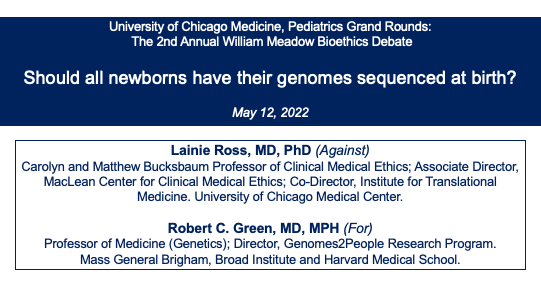
In this debate hosted by the University of Chicago School of Medicine, Dr. Lainie Ross and Dr. Robert C. Green both respond to the question “should all newborns have their genomes sequenced at birth?”

“Whole-genome sequencing may be the fastest way to diagnose rare complex diseases, but should it be incorporated into healthy newborn screening?” “We are missing the opportunity to address an increasing number of treatable conditions,” says G2P Dr. Robert Green.